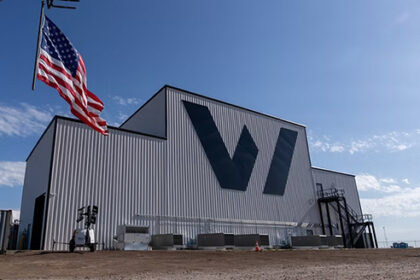
Sensible Micro Corporation has announced an authorized distribution partnership expanding access to U.S.-manufactured lithium-ion cells, including flexible stocking arrangements and scheduled release programs for aerospace, defense, and other mission-critical applications.
The strategic value here lies in supply chain predictability. Lithium-ion cell sourcing has been a persistent bottleneck for defense and aerospace manufacturers, where lead times can extend well beyond standard electronic component cycles. Domestic manufacturing reduces geopolitical exposure and simplifies compliance with Buy American and NDAA requirements—an increasingly material consideration as regulatory scrutiny of foreign battery supply chains intensifies.
Flexible stocking and scheduled releases function as a hedge against demand volatility. For buyers, this converts uncertain spot-market purchases into contracted future deliveries at known prices, improving cost forecasting and reducing the risk of production delays. Historically, allocated components tend to develop premiums during shortage cycles; securing allocation through authorized distribution mitigates that exposure.
The counterparty also matters. Authorized distribution channels carry lower counterfeit risk than independent distributors or brokers—a non-trivial concern in lithium-ion batteries, where substandard cells pose both performance and safety liabilities. Traceability and lot control, standard in authorized agreements, support the documentation requirements common in aerospace and defense qualification processes.
For procurement teams evaluating battery supply arrangements, the practical considerations are straightforward: verify the manufacturer of record, confirm compliance certifications, and model total cost of ownership across contract terms rather than unit price alone. Inventory commitments should be sized against realistic demand forecasts, with scheduled releases structured to preserve flexibility if program timelines shift.
Partnerships of this type reflect a broader recalibration toward supply chain resilience over pure cost minimization—a shift supported by post-2020 procurement data showing that disruption costs routinely exceed the savings from lowest-bid sourcing.