Workplace safety is often treated as a compliance function rather than a financial one. That framing is a mistake. For capital-intensive industrial operators like Komatsu, safety performance is a leading indicator of operational discipline, and operational discipline has a direct line to the balance sheet.
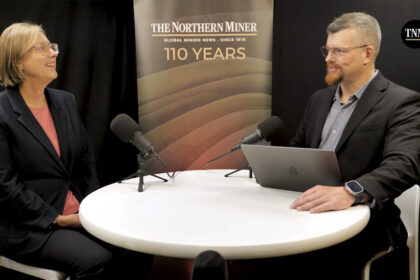
A recent discussion with George Carlough, vice-president of global EHS at Komatsu, published in Canadian Mining Journal, makes one point worth an investor’s attention: safety cannot be managed by tracking incidents alone. Komatsu emphasizes meaningful safety conversations on the floor — a proactive, engagement-driven model rather than a reactive, reporting-driven one.
The financial logic here is straightforward, even if the article itself offers limited quantitative disclosure. Incident rates translate into lost production hours, workers’ compensation liabilities, regulatory exposure, insurance costs, and reputational damage that can impair equipment sales into mining and construction customers. A manufacturer whose products are associated with safer worksites strengthens customer retention — a recurring-revenue dynamic that shows up in aftermarket parts and service margins, often the most stable earnings streams in heavy equipment.
That said, discipline requires separating durable logic from promotional framing. The piece is qualitative; there are no incident-rate trendlines, no cost-of-injury figures, no link drawn between safety metrics and free cash flow. Investors should not extrapolate a competitive advantage from a single interview. What can be said is that a documented, conversation-based safety culture is consistent with the kind of process rigor that historically correlates with lower operational variability — and lower variability supports predictable cash flow, which is what underwrites sustainable dividends and disciplined capital allocation.
For those holding Komatsu or its peers, the practical takeaway is modest but real: review safety and EHS disclosures alongside traditional metrics — debt levels, free cash flow conversion, backlog quality, and dividend coverage. Companies that manage their people with the same rigor they apply to their capital tend to compound value more reliably over a full cycle than those that manage for the quarter.
A safer operation is, in financial terms, a lower-variance asset.