




Okay babes, grab your coffee — there’s some mining drama happening in Canada that actually matters for your portfolio.
So here’s the tea: on October 24, more than 1,200 unionized workers at Teck Resources’ Highland Valley Copper operations in British Columbia walked off the job. Their previous contract expired September 30, and when renegotiations fell apart, they went on strike. And this wasn’t a close vote, either. In a historic first, all 944 workers who voted — members of United Steelworkers Local 7619 — backed the industrial action. A unanimous strike vote is rare, and when I see one, I pay attention.
Kyle Wolff, president of USW Local 7619, didn’t mince words: “Despite record profits, Teck Resources isn’t paying workers what we deserve. It’s even seeking concessions in the contract. But it should be in no doubt, Steelworkers are ready to fight for fairness and our fight has only just begun.”
According to the union, this isn’t just about paychecks. Pensions, benefits, and staffing levels are all on the table — the kinds of issues that signal deeper tension between a company’s bottom line and its workforce.
Teck’s side of the story? In a statement released the same day the strike began, the company said operations were continuing at reduced capacity, noting that “the impact on overall production will depend on the duration of the labor action.” They also stated they’re “committed to reaching a collective agreement that is fair and reasonable for employees and supports the ongoing viability of the operation.”
Now, why should you care about a labor dispute at a copper mine? Two words: your money.
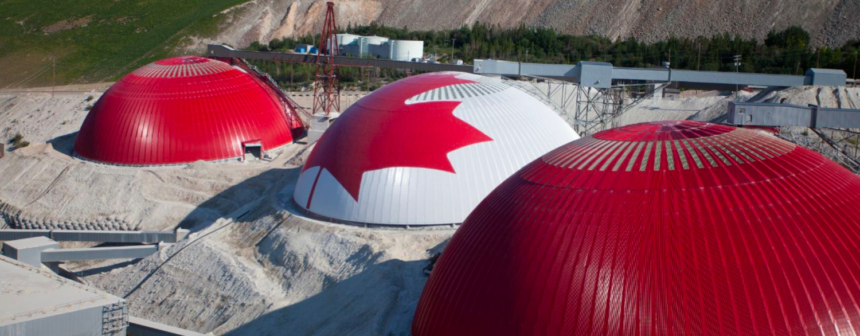
Highland Valley Copper is Canada’s largest open-pit copper mine, located about 17 kilometers west of Logan Lake and roughly 50 kilometers southwest of Kamloops. Copper isn’t just pipes and wiring — it’s the backbone of everything from EVs to solar panels to the data centers powering your favorite apps. When a major copper operation slows down, supply tightens, and that can ripple into copper prices, mining stocks, and even the ETFs holding them.
Here’s what I’d do: I’m not panic-selling anything, but I am watching how long this lasts. A short strike might barely move the needle. A prolonged one? That could tighten copper supply and lift prices — which is a plus if you’re holding copper miners or commodities exposure, but a headwind if you own Teck and production takes a real hit. Either way, labor unrest at record-profit companies is a signal worth noting about where costs (and pressure on margins) are headed across the sector.
This is why I tell my coaching clients: headlines like this aren’t noise, they’re information. You don’t need to trade on every strike or earnings blip — you just need to know what you own and why. If copper or mining stocks are part of your portfolio, this is your gentle nudge to check your exposure and make sure it matches your risk comfort.
Labor power, commodity prices, and company profits are all tangled together here — and understanding that connection is exactly the kind of financial confidence I want for you.
Want my take on how commodities and mining stocks fit into a beginner-friendly portfolio? DM me “COPPER” on Instagram or join my mailing list, and let’s build wealth that works even when the news gets messy. 💛


