




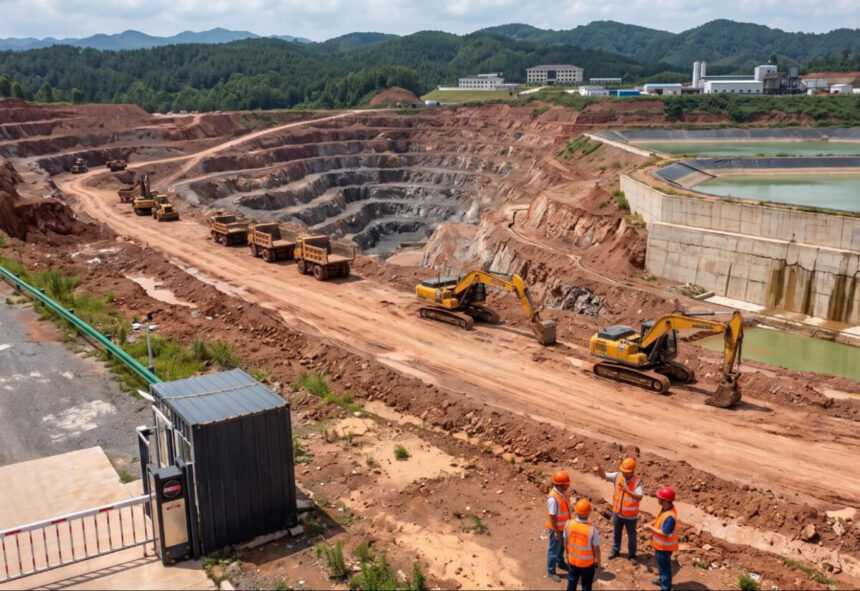

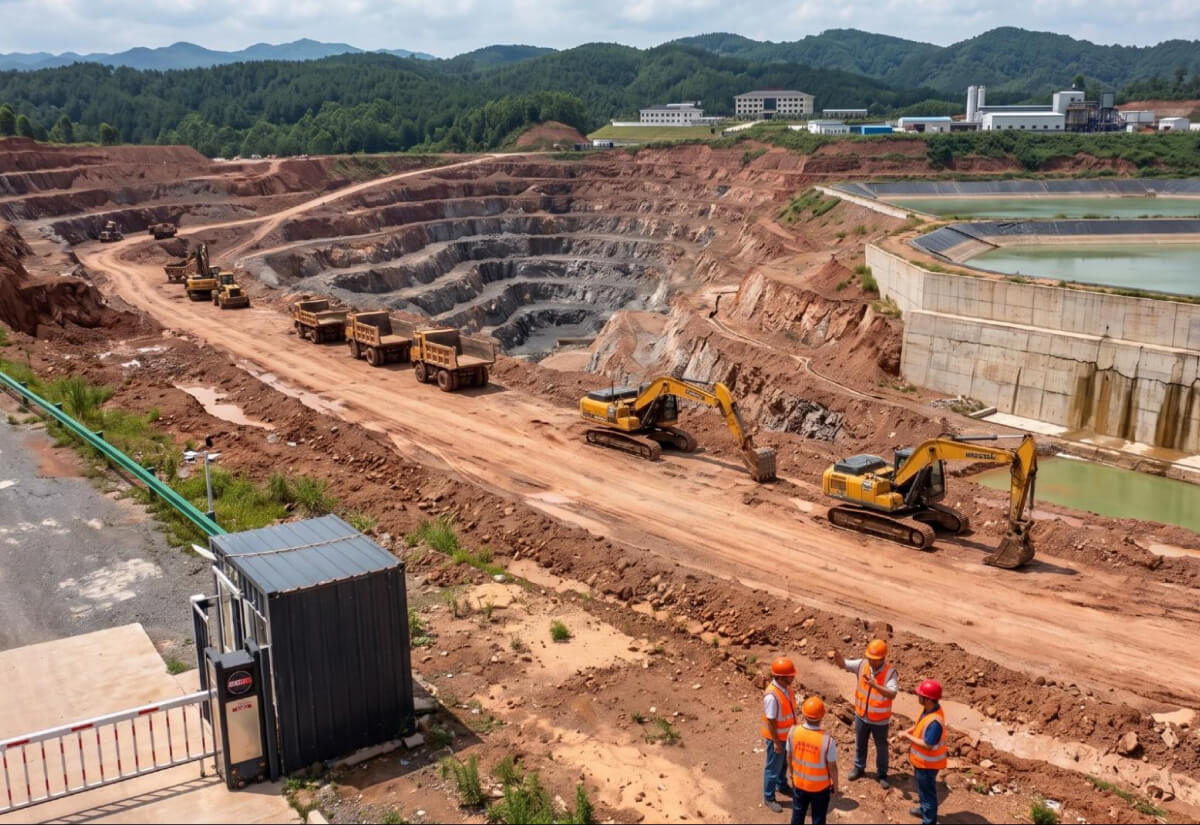
The fundamental headlines around CATL’s Jianxiawo mine are noise until the lithium carbonate futures chart confirms them. But the supply-side facts here matter, because they feed directly into the fundamental backdrop that futures pricing is discounting. Regulators revoked the mine’s environmental approval, forcing CATL back through the full environmental impact assessment process. Benchmark Mineral Intelligence has already cut its 2026 production estimate for Jianxiawo from 62,500 tonnes to 32,000 tonnes LCE — a 49% reduction. The 2027 estimate holds near 99,000 tonnes LCE, for now.
The Regulatory Timeline, Stripped of Speculation
Jianxiawo has been offline since its mining licence expired in August 2025. The deposit is lepidolite clay, and revised mineral classification rules added licensing requirements that the operation did not previously face. On June 29, 2026, the mining subsidiary secured a new safety production permit — a bullish catalyst on paper. Satellite imagery reviewed by Benchmark showed renewed site activity in June. By the first week of August, activity stopped again.
That is the pattern worth noting: a positive development, a short-lived response, then failure. In market terms, that is a failed breakout. Price or activity rallying on a headline and immediately rolling over tells you the catalyst lacked follow-through. The revocation of the environmental approval is the confirmation that the June move was not sustainable. Price is the truth, and the truth here is that the restart thesis has been rejected at resistance.
The tailings pond dispute — with more than 70 formal complaints — is an unresolved overhang. Overhangs like this do not resolve quickly, and they cap probability-weighted timelines regardless of what company guidance suggests.
Quantifying the Supply Gap
The revised 2026 figure removes 30,500 tonnes LCE from expected output. Benchmark’s lower number already assumes production lost during the shutdown and a potential approval slipping into Q4. The planned capacity figure approaching 150,000 tonnes LCE annually is the number the market keeps anchoring to, but planned capacity and delivered supply are two very different lines. Until the environmental assessment clears, that capacity is a theoretical level, not a support level.
For 2026, treat the 32,000 tonnes as the base case. The 99,000 tonnes 2027 estimate assumes a timely approval — an assumption with visible cracks. If the process extends into 2027, that forecast gets marked down, and futures pricing will reprice ahead of the official revisions. Markets discount; analysts confirm later.
Contagion Risk Across Jiangxi
Benchmark estimates other Jiangxi mines could contribute roughly 108,000 tonnes LCE in 2026, and authorities are actively examining licences and operations across the province. This is systemic risk, not idiosyncratic risk. If inspections surface similar waste management or tailings deficiencies elsewhere, additional supply interruptions follow — each one a potential gap event in lithium futures.
There is also a timing distortion worth flagging: producers may pull forward extraction ahead of anticipated inspections to lock in quota usage. Pull-forward supply is bearish near-term, bullish later. It flattens the near-dated curve and steepens the back end. Watch term structure for evidence of this dynamic rather than relying on commentary.
What the Futures Market Should Show If This Is Priced In
Lithium carbonate futures on the Guangzhou Futures Exchange, launched in 2023, are now the primary venue where these supply expectations get expressed. The tape is more informative than any mine update. A genuine repricing higher on this news should show: expanding volume on up days, open interest building alongside price, and clean acceptance above prior range highs on the front contracts.
If instead the market popped on the headline and faded with declining volume, that is a bull trap — buyers exhausted at resistance, trapped longs providing fuel for the reversal. Given that Jianxiawo’s licence expiry in August 2025 already put this supply at risk for over a year, a large portion of the disruption is likely already discounted. This setup lacks confirmation until futures demonstrate fresh volume-backed momentum above the prevailing range.
The demand side — EV sales and stationary storage buildout — provides a rising baseline, but rising demand is only tradable when paired with tightening supply and price structure that confirms it. Demand narratives without chart confirmation are just Stories with a capital S.
Probabilities and Actionable Levels
Base case: approval drags through Q4 2026, partial-year restart, front-month futures hold a elevated but rangebound structure with the supply gap gradually priced in. Bull case for price: further regulatory action across Jiangxi removes more than the ~108,000 tonnes already at risk, forcing futures through range highs on strong volume. Bear case: approval arrives faster than expected, pull-forward supply hits the market, and the front curve gives back the entire risk premium — a sell-the-news event that would trap anyone who bought the disruption narrative at the highs.
Watch three things: Guangzhou futures open interest and volume behavior around each regulatory headline, term structure for pull-forward distortions, and satellite or permit-based confirmation of actual site activity. Headlines are the hypothesis; price action is the verification. Until the charts confirm, this is a risk event to be monitored, not chased.
Source: https://www.miningfeeds.com/chinas-largest-lithium-mine-faces-environmental-approval-delay/


