




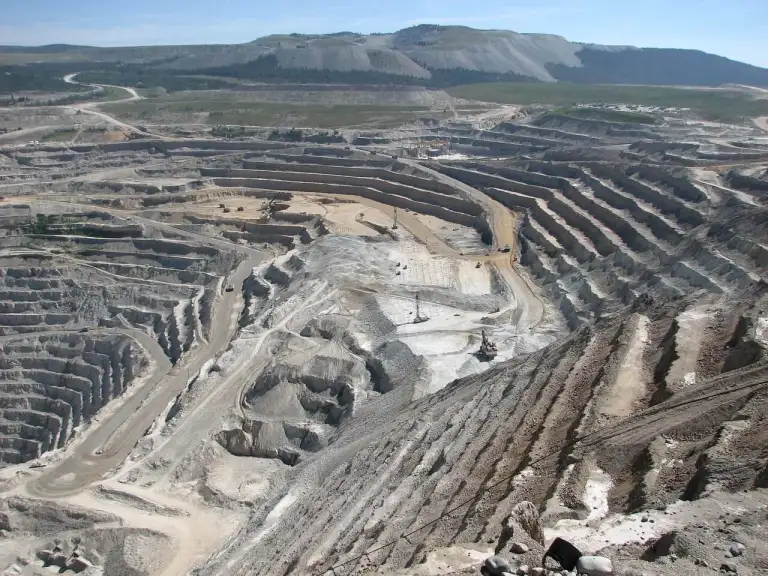

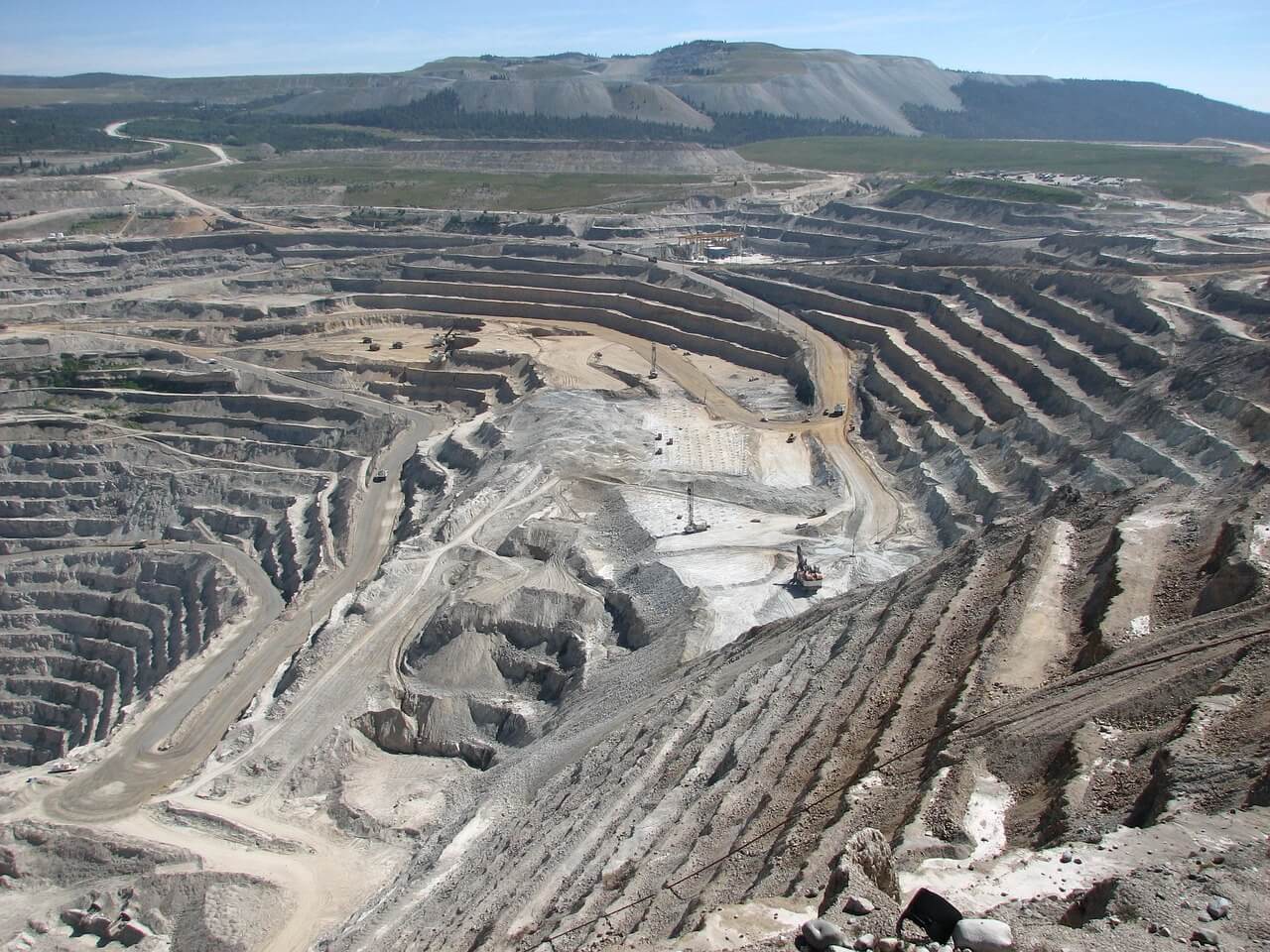
Image source: https://pixabay.com/photos/mining-mine-copper-1626484/
BHP secured its first environmental approval from Chile’s Antofagasta Environmental Assessment Commission for the opening phase of its Escondida upgrade program — a US$1.3 billion package covering sulphide leaching modifications and electrical infrastructure work. It is the gateway to a multi-year capital commitment of US$10.7 to US$14.7 billion across BHP’s Chilean copper assets. Strip out the headlines and this is a supply-side signal, and the copper market has been pricing supply-side risk for a while now.
Price is the truth. Copper’s longer-term structure has been constructive — higher lows, sustained demand above rising moving averages, and volume that has, for the most part, confirmed the advances rather than contradicted them. News like this doesn’t create a trend; it either validates one or it doesn’t. Capital commitments of this scale from an operator with BHP’s cost of capital discipline are not speculative signals. They are confirmation that the producers themselves see structural supply tightness. When the largest copper producer on the planet commits eleven-figure capex against declining grades, it is effectively a fundamental read on the forward curve — and the tape has been saying the same thing.
What the Approval Actually Covers
The permit clears construction on modifications to sulphide leaching facilities and electrical upgrades at Escondida, located roughly 170 kilometres southeast of Antofagasta in the Atacama Desert. BHP operates the mine with a 57.5% stake. Rio Tinto holds 30%; Japan’s JECO consortium owns the remaining 12.5%.
This is the first construction package in a sequence designed to hold production flat as ore grades deteriorate. Each subsequent phase requires separate regulatory approval. That matters from a risk standpoint: the full investment thesis has sequential permitting risk built in, and approval momentum — like momentum on a chart — can stall at resistance. One permit cleared is not a completed structure. It’s the first leg.
The Los Colorados Replacement Is the Real Trade
The largest planned development is a new concentrator replacing the aging Los Colorados plant. The environmental application went in during March 2026. Capital estimate: US$4.4 to US$5.9 billion. Design throughput: approximately 460,000 tonnes of ore per day. If permitting tracks as planned, construction starts early 2027 with first production in 2031–2032.
Read that timeline again. Five-plus years from now before the flagship asset of this program contributes a tonne. This is a long-duration supply constraint being acknowledged, not a near-term supply response. For copper’s price structure, that is constructive. New mine supply at this scale operates on lag times that routinely overshoot demand cycles. Anyone expecting this capex to pressure copper prices is reading the market backwards — the entire point of the program is that Escondida’s 38 million tonnes of cumulative production and ~7% share of global mined supply cannot be maintained without it.
Grade Decline: The Slow Burn the Market Kept Pricing
Declining ore grades are not a new variable — they are the slow bleed underneath every mature Chilean copper operation. Lower grades require more rock moved and processed for the same metal output, which means sustained capex just to hold volumes flat. There is no version of this where grade decline resolves itself without capital. The market understood this years ago, which is one reason copper’s long-term base built so cleanly off the 2020 lows and why pullbacks have repeatedly found buyers at progressively higher levels.
The demand side — grid buildout, electrification, renewables, data centres — has been well-documented and well-priced. What matters technically is that demand growth is colliding with a supply base that requires escalating capital just to stay flat. That asymmetry is the underlying structure. The chart reflects it: strong hands accumulating on weakness, and rallies that have consistently held above prior resistance once broken.
Portfolio-Wide Commitment
BHP’s stated target is more than 2 million tonnes of annual copper production by the mid-2030s, with Chile as the load-bearing asset. Beyond Escondida, the company has filed plans to restart and expand Cerro Colorado through a separate US$1.5 billion project, and it continues advancing the Vicuña district through its 50:50 partnership with Lundin Mining.
US$10.7 to US$14.7 billion across one country’s copper portfolio makes this the largest planned mining investment commitment in South America. From an allocation standpoint, the signal is unambiguous: the majors are deploying into copper at scale, and they are doing it in a jurisdiction with known permitting friction. That they are willing to absorb Chilean regulatory timelines tells you their internal supply models are more bearish than the consensus forward curve.
The Risk Map
Additional environmental approvals remain outstanding for the concentrator, further mine upgrades, and the rest of the pipeline. Each faces Chile’s environmental review process. The full program timeline therefore depends on regulatory cadence and execution — variables that sit outside any chart.
Treat this the way you’d treat a breakout with incomplete follow-through: the direction is likely right, but the structure isn’t finished. First approval cleared is momentum. Full program execution is confirmation. Between those two points sit permitting delays, community consultations, and the usual Chilean political cycle noise — none of which change the long-term supply equation, all of which can create tradable volatility.
For copper itself, the technical setup remains intact: the trend is up, pullbacks have been shallow relative to advances, and volume behavior on reversals has shown buyers stepping in rather than capitulating. A supply pipeline that requires half a decade to deliver new tonnes does nothing to threaten that structure in the interim. If anything, it extends the runway.
Escondida is expected to produce well into the 2040s if the program completes on schedule. The market will be watching whether each subsequent approval lands as cleanly as the first — and whether copper’s tape continues to confirm what the capex already implies.


