# Datamine Buys PDS: Another Roll-Up in the Mining Software Game
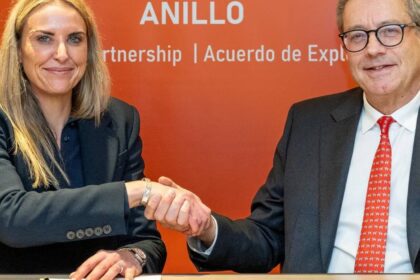
Datamine has acquired PDS (Productivity Development Solutions), a company that builds asset management and condition monitoring software for mining, ports, and heavy materials handling. On the surface, it’s a modest bolt-on deal. But it tells you something about where the money is flowing in mining tech right now, and it’s worth pulling apart.
Here’s what this really means: the mining software market is consolidating, and the big platforms are buying capability instead of building it. Datamine — 40-plus years in the business, operations in twenty countries, claiming more than 6,000 customers — has spent decades covering the front end of the value chain: exploration, resource modelling, mine planning, fleet management, logistics. What it hasn’t owned as deeply is the maintenance and asset health layer. PDS fills that hole. That’s the whole story.
## What PDS Actually Does
Strip away the press-release language and PDS does something unglamorous but useful: it replaces clipboards and spreadsheets with digital workflows that capture real-time asset health, inspection, and maintenance data. Conveyor idler tracking, wear monitoring, routine inspections, audit trails. If you’ve ever spent time around a Pilbara iron ore operation, you know a seized idler on a 10-kilometre overland conveyor isn’t a maintenance nuisance — it’s a fire risk and a multi-million-dollar outage waiting to happen.
PDS’s pitch is the same one every industrial software vendor has made for a decade: reduce unplanned downtime, extend asset life, improve reliability. And unlike most of the hype cycles I’ve watched roll through this industry — blockchain supply chains, metaverse mine tours, AI everything — this category has a real, measurable payback. Downtime on a production-critical conveyor or crusher costs tens of thousands of dollars an hour. Software that catches failures early pays for itself quickly, and the ROI story is one CFOs actually believe.
PDS’s customer base includes major miners operating across more than 60 sites in Australia — heavily concentrated in the Pilbara — plus overseas operations. That’s the real asset here, more than the code. In mining software, installed base is everything. Getting a foot in the door at tier-one operations is brutally hard; once you’re in, switching costs keep you there. Datamine just bought 60 doors that are already open.
## The CEO Statements, Translated
Sandra Hordern, PDS’s CEO, talks about fulfilling the vision of her brother Peter — presumably the founder — of being globally recognised for “simple real-world solutions.” Fair enough. The category rewards pragmatism over sophistication. Maintenance crews on site don’t want dashboards with forty widgets; they want to know which idler is running hot and when to swap it. The vendors who understand that stick around. The ones chasing Gartner magic quadrants tend not to.
John Bailey, Datamine’s CEO, frames it as extending capabilities into asset management and condition monitoring, helping frontline maintenance operators make faster decisions and “reducing the risk of catastrophic failure in mission-critical equipment.” That’s accurate but incomplete. What he’s not saying out loud is that Datamine needs this to stay competitive. The mining software majors — Datamine, RPMGlobal (now part of Sandvik), Deswik (now part of Fluor), Micromine, Hexagon’s mining arm — have all been consolidating hard. Sandvik alone has spent billions rolling up automation and optimisation assets. If you’re an end-to-end platform and you don’t have condition monitoring, you’re leaving the most defensible recurring-revenue layer of the stack to someone else. This acquisition is defensive as much as offensive.
This isn’t the first time we’ve seen this circus, and it won’t be the last. Expect more of these deals. The fragmented middle tier of mining software — single-product companies with loyal customers and thin distribution — is being absorbed platform by platform.
## What Investors Should Actually Watch
If you’re looking at this space, a few things matter more than the press release.
First, integration risk. Acquisitions in enterprise software fail far more often than they succeed, usually at the integration stage. Datamine has done this before — it’s been quietly assembling its portfolio for years — so it has a track record. But folding PDS’s niche product into a broad portfolio without alienating the existing customer base is the test. Mining customers are conservative. They buy reliability, and they punish vendors who break things during “synergy” exercises.
Second, the private equity angle. Most of the serious players here are no longer independent. Datamine itself sits under the Constellation Software umbrella — a serial acquirer that runs a decentralised model and buys niche vertical software businesses precisely like PDS. That tells you the playbook: buy boring, sticky, mission-critical software with high switching costs, hold it forever, harvest the cash flows. It’s not exciting, but Constellation’s returns over two decades beat most hedge funds I’ve known, mine included. Boring works.
Third, the macro backdrop. Mining capex is cyclical, but maintenance software spend is not — it’s closer to operating expense, tied to keeping existing assets running. In a downturn, miners defer new mines. They do not stop maintaining conveyors, haul trucks, and processing plants. That makes condition monitoring and asset management software one of the more defensive corners of the mining services sector. If you want exposure to mining without fully riding the commodity cycle, this is the layer to watch.
Fourth, the AI question. Every vendor in this space will soon claim predictive maintenance powered by machine learning. Some of it will be real. Most of it will be regression models with a marketing budget. The genuinely valuable stuff depends on data quality — and that’s exactly what PDS’s inspection and condition-monitoring workflows produce. Clean, structured asset data is the prerequisite for any credible prediction. Datamine buying the data layer before slapping intelligence on top is the right sequence, whether they framed it that way or not.
## The Straight Talk
This is a sensible, small, unglamorous acquisition that fills a genuine gap. No revolution, no disruption narrative — and honestly, that’s a relief. The mining industry has had enough of vendors selling transformation and delivering slide decks.
For Datamine, PDS deepens its grip on the operational layer of mining, adds a blue-chip customer list, and strengthens the recurring revenue base. For customers, the bet is that Datamine’s scale funds product development without breaking what already works. For anyone watching the sector, it’s one more confirmation: the durable money in mining technology isn’t in the shiny stuff at the surface. It’s buried in the unsexy business of keeping machines running.
The grizzled takeaway: buy the picks and shovels that nobody can operate without. This deal is exactly that, and Datamine knows it.