Okay besties, today we’re talking about mining stocks — and no, I haven’t lost the plot.
Let’s chat about something that sounds about as glamorous as my morning budget spreadsheet but actually matters way more than most people realize: critical minerals. Specifically, The Doe Run Company just released its 17th annual sustainability report, and there are some genuinely interesting takeaways here if you’re building a watchlist or just want to understand where the world is heading.
First, the big picture. The U.S. Geological Survey’s final 2025 Critical Minerals List identifies 60 minerals considered vital to the American economy and national security that face potential supply-chain risks. Here’s the part that caught my attention: the three minerals Doe Run currently produces from its southeast Missouri operations — lead, zinc, and copper — all made that list. When something lands on a government critical minerals list, it’s basically Washington saying “we need more of this, domestically.” That’s a signal worth paying attention to, whether you’re an index fund girlie or you like picking individual stocks.
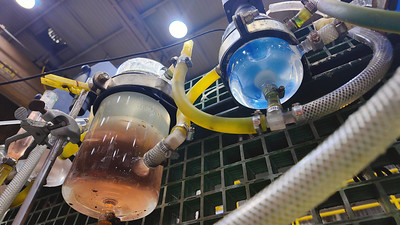
Now, let’s talk about what’s actually in the report, because the innovation here is the real story. Doe Run’s proprietary ACL HydroMet Process is designed to recover multiple minerals from both mined material and recycled materials using a wet-chemical process. Think of it like this: instead of the old-school furnace-based smelter approach (imagine a very hot, very emissions-heavy process), this is a cleaner method with lower air emissions and a smaller carbon footprint. It can even recover valuable resources from material currently considered waste — which is honestly the financial equivalent of finding money in the pocket of a jacket you were about to donate.
Here’s what I’d flag for anyone watching this space: the pilot work has shown the technology can recover cobalt, copper, germanium, nickel, zinc, lead, antimony, and tin. That’s a whole portfolio of critical minerals from one operation. The process is also designed to handle lower-grade bulk concentrates, which reduces the need for sorting and separating underground. Translation: less time, lower cost to bring material to the surface. And in mining — like in any business — lower costs plus more recovered value equals a longer runway. In this case, extending the life of the mines and sustaining the jobs tied to them.
Doe Run’s CEO, Matthew Wohl, put it plainly: the responsibility is to get the most value possible from the minerals in their care while protecting employees, communities, and the environment. He also noted that minerals are finite, and there’s no better message for sustainability than making the most of them. I love this framing, and here’s why I tell my coaching clients to pay attention to this kind of thinking: efficiency is a form of value creation. A company that can squeeze more usable output from the same resource is fundamentally improving its economics without needing to dig up more of the planet. That’s the kind of operational story I look for behind any ticker symbol.
Wohl also made the point that critical mineral supply is a national issue, but the solution can start in places like southeast Missouri — using technology to recover more from existing mines and recycling streams, keeping more of that value in the United States, and building a stronger, more resilient domestic supply. For anyone who’s watched supply chain chaos ripple through prices on everything from cars to electronics, resilience is not a buzzword. It’s risk management at the national scale.
And because credibility matters (in money and in life), a quick note: Doe Run has produced an annual sustainability report following Global Reporting Initiative guidelines since 2009. That’s 17 years of consistent reporting. Consistency is something I respect in a company the same way I respect it in a client’s investing habits — it’s not flashy, but it builds real trust over time.
So what’s my actual takeaway for you? You don’t need to run out and buy individual mining stocks. Honestly, if you’re just starting out, a diversified fund probably does more heavy lifting for your portfolio than any single company ever will. But understanding these macro trends — domestic mineral production, supply chain security, cleaner processing technology — makes you a smarter investor no matter what you own. When you see copper or cobalt mentioned in headlines, you’ll actually know why it matters. Financial literacy isn’t just knowing how to budget; it’s knowing how the world’s money machine actually works, from Wall Street all the way down to the ground in Missouri.
That’s your nerdy-but-necessary investing lesson for today — go get that bag, sustainably. If this sparked something and you want more beginner-friendly breakdowns of money, markets, and building wealth on your own terms, come hang out with me: DM me your biggest money question or join my mailing list so you never miss a wealth-building nugget. 💛