




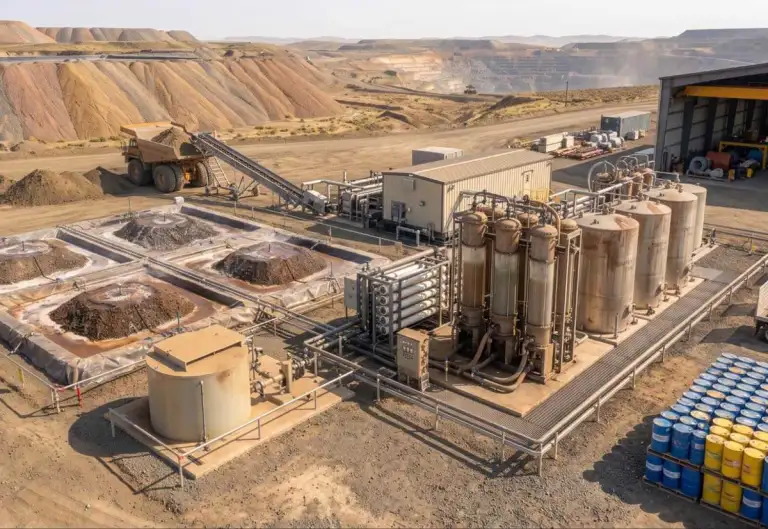

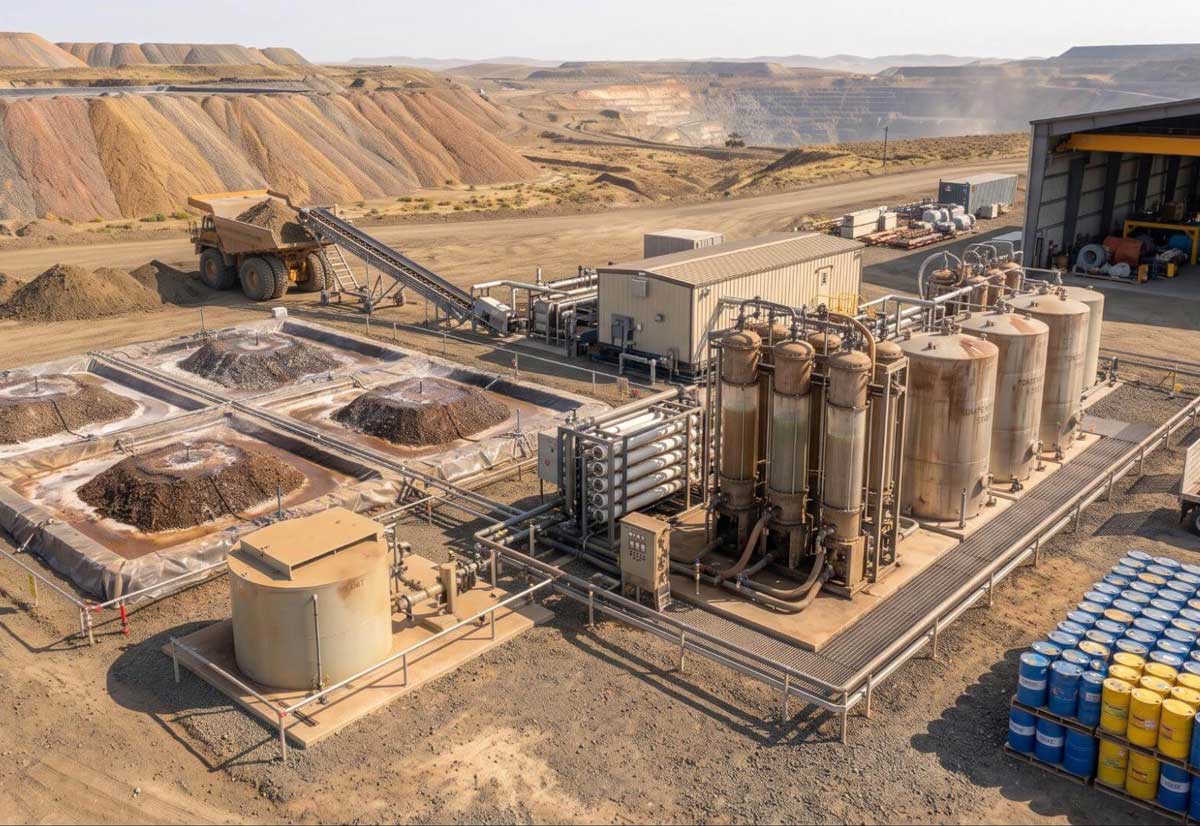
The US Department of Energy selected nine projects for up to $162 million in funding targeting critical mineral recovery from mine waste, active operations, and industrial feedstocks. The headline is bullish on paper. Price is the truth — and most of these tickers haven’t validated anything yet. Still, federal capital flowing into a sector changes the liquidity backdrop, and liquidity is what moves charts.
The program targets four mineral groups: scandium, copper, antimony, and rare earth elements. Feedstocks include mine tailings, abandoned copper operations, active mines, and aluminum facilities. The stated objective is moving recovery technologies from laboratory and bench-scale work toward pilot and pre-commercial demonstration. Translation: these are pre-revenue entities. There is no earnings floor under most of these names. Valuation is irrelevant; the only thing that matters is flow and narrative traction, and narrative traction only counts when it shows up on volume.
The Nine Names and What the Charts Can Tell Us
The selected companies are Anactisis, Still Bright, Nusano, SiTration, Thompson Creek Metals Company USA, Felix Gold, DISA Technologies, Alcoa Corporation, and Trigg Minerals.
Four of them — Anactisis, Still Bright, Nusano, and SiTration — are moving lab-stage technologies to prototype demonstrations. Five — Thompson Creek Metals Company USA, Felix Gold, DISA Technologies, Alcoa, and Trigg Minerals — are advancing pilot-scale technologies toward pre-commercial demonstration. Structurally, that splits the group into speculative microcap lottery tickets and, in Alcoa’s case, a large-cap with actual revenue. Trade them differently. They are not the same asset class.
The core thesis of the program is leverage: pairing new recovery technology with existing infrastructure and material already on site. That reduces capex and timeline risk. From a charting standpoint, the interesting exposure is in companies with existing producing operations that bolt on a secondary metal stream — the market tends to re-rate those faster because the story is cleaner and the downside is partially underwritten by existing cash flow.
Felix Gold fits that template. Its Treasure Creek project near Fairbanks, Alaska targets high-grade, near-surface antimony, developed using resources and infrastructure from its operating gold mine. Antimony has been one of the stronger critical mineral price performers, and the equities exposed to it have shown the receipts — extended uptrends, higher lows, and volume expansion on breakouts rather than on drift. That is the profile you want. If Felix continues to print higher lows on rising relative strength following this announcement, the market is validating the story. If the pop fades on below-average volume within a few sessions, this was a news-driven scalp, not a trend entry. Let the tape decide.
SiTration is working on copper recovery from diluted mining waste streams, deployable at existing mine sites with secondary recovery of other critical materials. Copper exposure is a different animal. The copper miners and developers have spent months building a constructive base, and the ETF-level flows confirm institutional participation. A technology play riding that macro tailwind is a higher-probability momentum candidate than most of its lab-stage peers — but it is private-stage, so the tradable expression is indirect at best.
Alcoa is the odd one out: a liquid, heavily traded large cap. A $10–20 million potential award is a rounding error against its market cap. Any move in AA on this headline is noise. The aluminum waste-stream recovery angle is a multi-year option the market will not price until it shows up in guidance. Watch the broader aluminum price and AA’s response at major resistance zones instead. This announcement is not a trade.
The remaining names — Thompson Creek (molybdenum/tungsten legacy assets), DISA Technologies, Trigg Minerals, and the lab-stage trio — are microcaps or private entities where a DOE selection functions primarily as a credibility stamp. Historically, these stamps produce a one- to three-day volume spike, a gap, and then mean reversion unless follow-on catalysts stack. The playbook is mechanical: gap up on the news, watch whether the gap holds above the pre-news consolidation on declining sell volume. Gap-and-hold above prior resistance with volume above the 20-day average is a legitimate trend continuation signal. Gap-and-fade is a liquidity event for insiders. Do not confuse the two.
Context: A Stacked Funding Pipeline
This selection sits on top of a broader DOE funding stack. In August 2025, the department proposed nearly $1 billion for projects spanning US mining, processing, and manufacturing capacity across critical mineral supply chains. Last month it announced $75 million for five projects producing rare earths and other critical materials from coal and coal-based feedstocks.
The cumulative effect matters more than any single tranche. Persistent, programmatic federal funding into a sector creates a structural bid — not in the sense of direct buying, but in derisking development timelines, which improves financing odds downstream, which eventually shows up in drilling results, permits, and offtake agreements. Those are the events that actually move junior mining charts. The $162 million is upstream of all of that.
The critical minerals complex as a whole has been in a confirmed uptrend, with the rare earth and antimony names leading and copper consolidating beneath resistance after a strong run. Trend followers should note that leadership is narrow. The money is concentrated in a handful of tickers making new highs on real volume. Everything else is beta to that trade.
One critical caveat, and it is not a small one: the $162 million is a selection, not a payment. Each project must complete award negotiations with the DOE. Amounts can change, and the department can cancel negotiations or withdraw a selection entirely before funds are issued. The market routinely prices selections as if the cash cleared the account. It did not. Expect the initial headline pop, then a grind lower as reality reprices — unless volume tells you otherwise.
The actionable takeaway is simple. This news is a catalyst screen, not a buy signal. Identify which of the nine names are actually tradable, mark the pre-news consolidation ranges, and watch how price behaves at the range highs over the next five to ten sessions. Confirmation looks like this: gap up, shallow pullback that holds the gap, volume contraction on the pullback, then a breakout on expanding volume with MACD turning up from a non-overbought reading. Anything less lacks confirmation, and setups without confirmation are donations.
Price is the truth. The DOE just gave nine companies a story. The charts will tell you within two weeks which ones the market actually believes.
Source: https://www.miningfeeds.com/us-selects-nine-projects-for-162m-critical-minerals-recovery-program/


