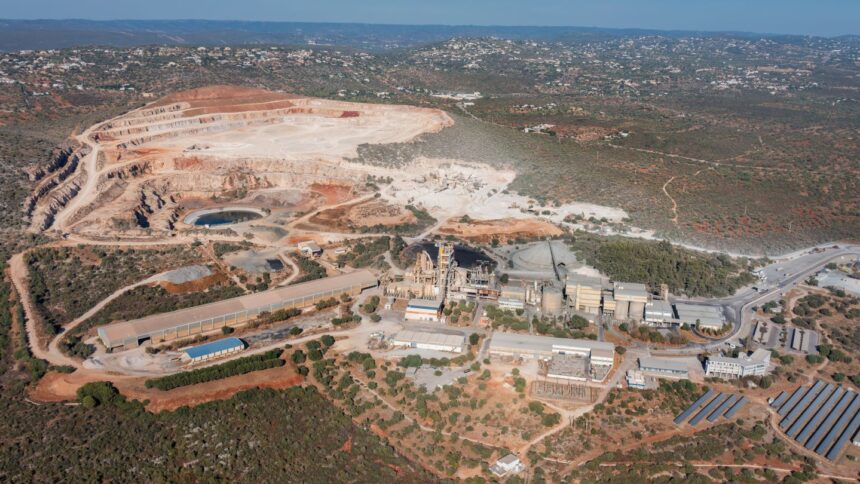
Construction on the project is scheduled to begin in 2027. Credit: Serhiy Stakhnyk/Shutterstock.com.
Fluor has secured full notice to proceed (FNTP) with the Fourth Grinding Line Expansion Project at Sierra Gorda Sociedad Contractual Minera’s (SGSCM) copper-molybdenum operation in northern Chile.
The company will undertake engineering, procurement, and construction management (EPCM) under a contract for which the value remains undisclosed.
Discover B2B Marketing That Performs
Combine business intelligence and editorial excellence to reach engaged professionals across 36 leading media platforms.
Fluor expects to recognise the contract’s value in its third quarter (Q3) 2026 results.
SGSCM’s mine is situated approximately 60km south of Calama in the Antofagasta Region.
The planned brownfield expansion is intended to boost the concentrator’s ore-processing capacity from about 130,000 to 165,000 tonnes per day.
The upgrade will involve the addition of a fourth process line, including new primary and high-pressure grinding roll crushers, facilities for fine ore grinding and flotation, and associated support infrastructure.
Construction on the project is scheduled to begin in 2027.
Fluor mining and metals business president Harish Jammula said: “Fluor is proud to continue our long-standing relationship with SGSCM to support this important expansion of its copper operations in Chile.
“Having supported the original development, we are pleased to bring our knowledge of the operation and global project delivery expertise to this next phase of growth. We look forward to safely delivering a reliable, capital-efficient solution for our client.”
SGSCM’s mining operations use traditional open-pit methods, with drilling and blasting followed by loading with shovels and transport using high-tonnage trucks.
Once extracted, ore is sent to the crushing plant, with sulphide ores processed in the concentrator and oxidised ores stored for possible future treatment.
The processing facilities are designed to produce both copper and molybdenum concentrate, relying on a series of crushing, grinding, flotation, and separation processes.
Copper and molybdenum concentrates are then transported by train or truck to ports including the Antofagasta International Terminal and Puerto Angamos for shipment.
Sign up for our daily news round-up!
Give your business an edge with our leading industry insights.
Source: www.mining-technology.com — article syndicated from the publisher’s feed; all rights remain with the original publisher.